
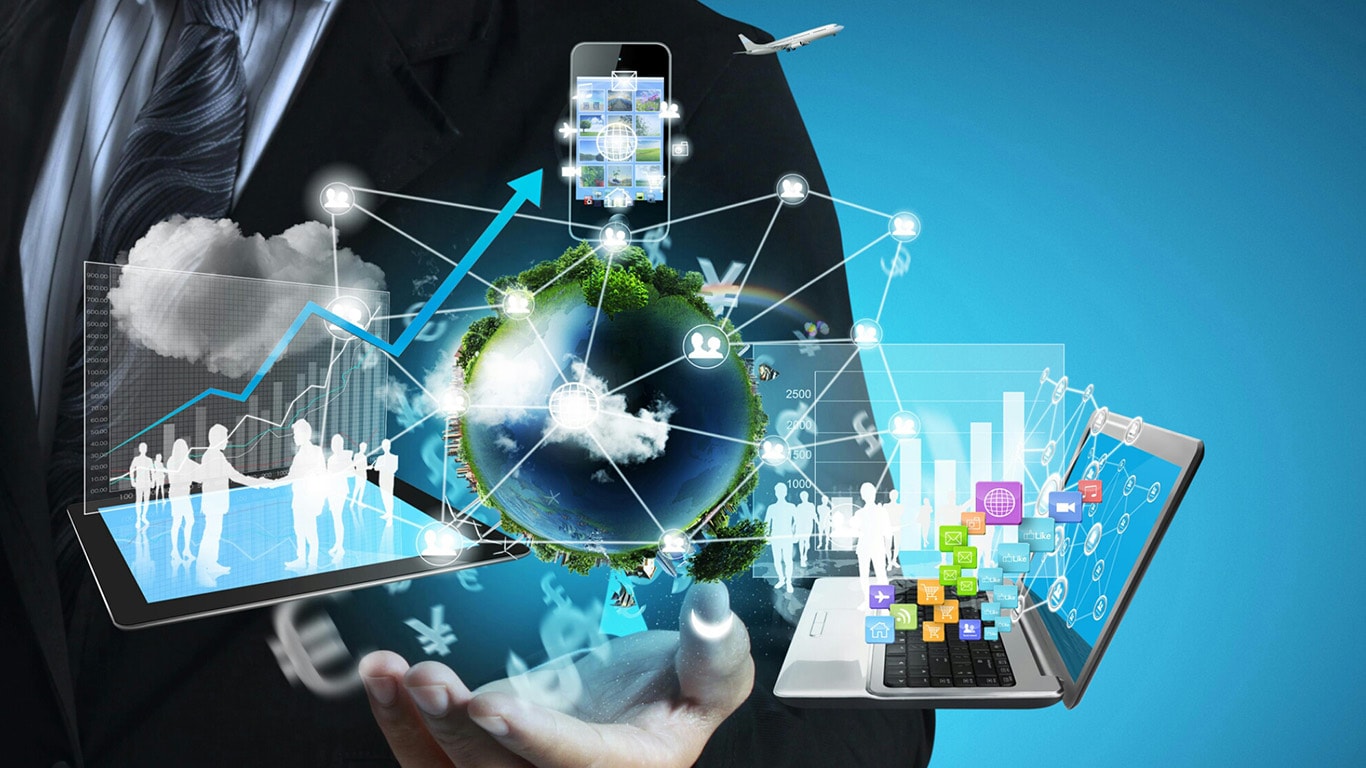
Technology continues to reshape nearly every aspect of daily life, influencing how people learn, work, communicate, create, and solve problems. Within just a few decades, advancements once considered impossible have become routine. The term Technology frequently appears in conversations about the future because it sits at the center of progress, helping individuals and industries operate smarter, faster, and more efficiently. Understanding how this field grows and where it is heading provides essential insight for anyone seeking to adapt and thrive in a rapidly changing world.
Understanding the Foundation of Technological Progress
Technology evolves through a cycle of creativity, experimentation, and improvement. From early mechanical tools to today’s advanced digital ecosystems, each innovation builds on previous breakthroughs. Modern systems rely heavily on interconnected networks, data-driven decision making, and automation that can adjust to user behavior in real time. This creates an environment where information can move effortlessly across platforms, powering solutions that feel intuitive and personalized.
A major driver of progress is the continual improvement of computational power. Each new generation of processors, sensors, and integrated circuits unlocks capabilities that were not previously practical. As hardware becomes smaller and more efficient, software becomes more intelligent, enabling applications that can analyze complex scenarios with remarkable accuracy.
The Role of Artificial Intelligence
Artificial intelligence has emerged as one of the most transformative forces in the landscape of Technology. AI systems help identify patterns, interpret language, forecast outcomes, and even make recommendations. These capabilities allow organizations to solve challenges that once required specialized human expertise.
Key Contributions of AI
- Automated analysis that processes data at speeds impossible for manual review
- Pattern recognition that assists in identifying fraud, predicting trends, or diagnosing issues
- Natural language tools that make communication between people and computers smoother
- Adaptive learning systems that refine their performance over time
AI is also influencing creative fields, assisting with design concepts, simulations, and ideation. As these systems grow more sophisticated, they become valuable collaborators that expand human potential rather than replace it.
Data as the Fuel of Innovation
Data plays an essential role in driving technological growth. Every connected device generates information that can be collected, organized, and analyzed to reveal new insights. When used responsibly, data enables improved decision making that benefits industries ranging from healthcare to transportation.
Why Data Matters
- It highlights opportunities for efficiency
- It identifies emerging trends faster than traditional research
- It supports personalized experiences for customers and clients
- It reduces uncertainty through evidence-based planning
The challenge lies in balancing innovation with privacy and security. Advanced protection tools, encrypted systems, and transparent data policies help ensure that progress does not compromise safety.
Connectivity and the Expansion of Digital Networks
Connectivity forms the backbone of modern digital life. High-speed networks allow devices to interact instantly, supporting everything from video conferencing to smart home automation. Recent advancements in network infrastructure have significantly increased reliability, reduced latency, and improved performance across regions.
Expanded connectivity also supports large-scale digital ecosystems. Organizations can manage remote operations, track logistics, and streamline workflows with unprecedented ease. Even rural regions benefit as improved access increases educational and economic opportunities.
The Internet of Things and Everyday Integration
The Internet of Things integrates small, sensor-equipped devices into the environment, making everyday tools more capable and responsive. When household appliances, vehicles, and security systems share data across unified platforms, daily tasks become more seamless.
Real-World Applications of IoT
- Health monitoring devices that track vital signs and detect early issues
- Smart traffic systems that adjust signals to reduce congestion
- Environmental sensors that provide real-time information on air quality or water levels
- Home automation that enhances comfort, efficiency, and energy savings
IoT adoption continues to expand as devices become more secure and easier to manage.
Cloud Computing and On-Demand Services
Cloud systems allow organizations to store information, run applications, and deliver services without maintaining extensive on-site infrastructure. This flexible model enables rapid scaling, reduces operational costs, and supports remote collaboration.
Cloud tools also help businesses deploy new solutions faster. Instead of investing months in traditional development cycles, teams can test prototypes in virtual environments and launch updates within days. The ability to access powerful computing resources on demand encourages experimentation and innovation.
Cybersecurity in a Hyperconnected World
As systems grow more sophisticated, so do the threats targeting them. Cybersecurity has become a core priority for individuals, corporations, and governments. Protecting sensitive data requires layered defenses that can detect intrusions, respond to emerging risks, and strengthen system resilience.
Essential Security Practices
- Multi-factor authentication
- Regular system updates
- Encryption of sensitive information
- Behavior-based threat detection
- Employee training on digital hygiene
Security professionals rely on continuous monitoring and adaptive strategies to prepare for new vulnerabilities. As digital ecosystems expand, cybersecurity must advance at an equal pace to keep systems trustworthy.
The Future of Automation and Industry
Automation is revolutionizing industries by performing repetitive, precise, or hazardous tasks. Advanced machines and software workflows help reduce errors, increase production quality, and enhance workplace safety.
Impact on Workforce and Productivity
Automation does not eliminate human roles; it reshapes them. Workers shift from manual tasks to supervisory, analytical, or creative responsibilities. For many businesses, automation becomes a catalyst for growth, allowing them to scale operations while improving consistency.
Manufacturing, logistics, agriculture, and even customer service now rely heavily on automated tools. These solutions free workers to pursue activities that require judgment and innovation.
Technology in Healthcare
Healthcare has embraced digital transformation at a remarkable pace. Tools powered by AI, robotics, and advanced imaging help improve diagnostic accuracy and patient outcomes. Remote monitoring and telemedicine provide access to care even in underserved communities.
Medical devices that analyze real-time data allow physicians to tailor treatment plans more precisely. Predictive analytics assist in identifying risks before issues escalate. As technology continues to advance, healthcare becomes more proactive than reactive.
Education and the Rise of Digital Learning
Learning has become more accessible due to digital platforms that support interactive lessons, real-time feedback, and flexible pacing. Students can explore subjects using simulations, virtual labs, and multimedia resources that enhance comprehension.
Educators benefit from personalized learning dashboards that highlight where students excel or need support. Remote learning systems also help institutions maintain continuity during disruptions. Technology reshapes education by encouraging curiosity, collaboration, and personalized growth.
Sustainable Technology and Environmental Innovation
Sustainability is a leading focus for research and development. Clean energy solutions, efficient manufacturing processes, and eco-friendly materials help reduce environmental impact.
Examples of Sustainable Innovation
- Solar and wind power systems that supply renewable energy
- Precision agriculture tools that optimize water and soil management
- Energy-efficient building designs using smart systems
- Recycling technologies that convert waste into reusable materials
By integrating sustainability into innovation, industries can meet future demands without compromising natural resources.
Human-Centered Design in Modern Systems
Technology works best when it adapts to human needs. Human-centered design prioritizes usability, accessibility, and inclusivity. Designers study how people interact with systems to create tools that feel natural and intuitive.
This approach ensures that technology supports productivity while reducing frustration. When systems are built around users, adoption rates increase and long-term engagement improves.
The Path Ahead for Innovation
The next era of technological advancement will likely involve deeper integration between digital systems and physical environments. Devices will continue to adapt, learning from user patterns and responding in more personalized ways.
Greater collaboration between industries, researchers, and policymakers will help shape standards that promote responsible innovation. As society becomes increasingly dependent on digital systems, maintaining transparency and trust remains a central priority.
Frequently Asked Questions
How is modern technology shaping communication?
Communication has become faster and more dynamic thanks to real-time messaging, video platforms, and collaborative tools. These systems remove geographical barriers, making global interaction feel effortless.
What skills are becoming essential as technology evolves?
Analytical thinking, digital literacy, cybersecurity awareness, and adaptive problem solving are increasingly important. Workers benefit from understanding both technical tools and how to apply them in practical scenarios.
How does technology improve energy efficiency?
Smart systems monitor energy consumption and adjust usage based on patterns or real-time conditions. This reduces waste and supports more sustainable operations in homes and businesses.
Are emerging technologies safe for everyday use?
Modern devices are designed with strict safety and security standards. While risks exist, consistent software updates, protective settings, and responsible usage help ensure safe daily integration.
What industries are most affected by rapid technological change?
Industries such as healthcare, transportation, finance, manufacturing, and education experience some of the most dramatic transformations. Each benefits from improved accuracy, automation, and connectivity.
If you’d like a deeper version focused on a specific branch of technology, I can create that too.
