

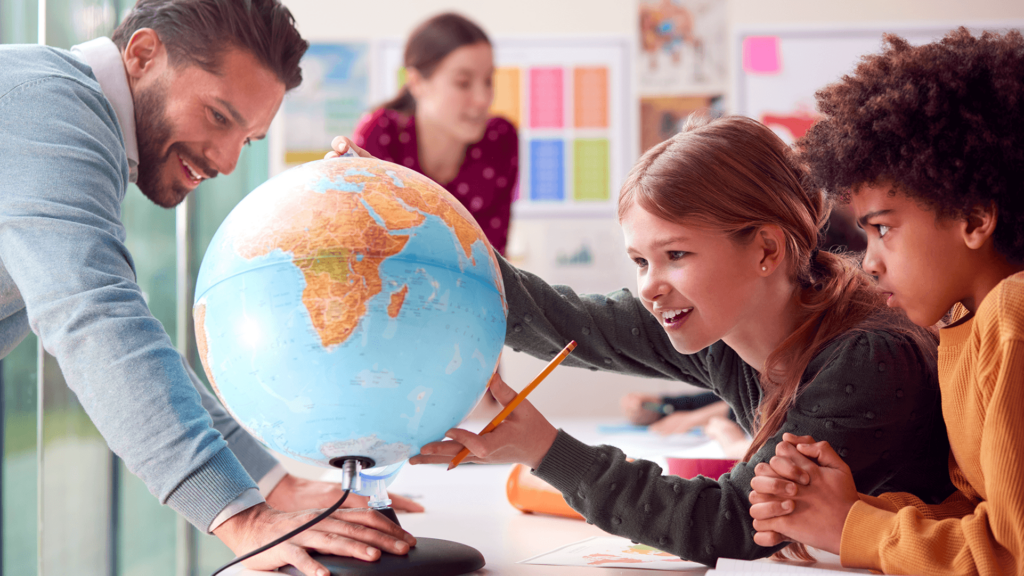
Education stands at the center of modern progress, shaping the trajectory of individuals, communities, and entire nations. In today’s fast-shifting environment, Education functions not just as a pathway to employment but also as a framework for critical thinking, personal resilience, and lifelong adaptability. As industries transform due to technology, demographic shifts, and economic pressures, this field has had to innovate equally quickly, redefining how knowledge is delivered and how learners prepare for a future that looks drastically different from the past.
Understanding the Purpose of Modern Learning
Education has traditionally been defined by the transfer of information from an instructor to a learner. While this foundation remains relevant, the purpose of learning has expanded into something far broader. Modern institutions and educators now focus on developing cognitive, emotional, and practical competencies that help individuals thrive in unpredictable environments.
Core Elements Driving Today’s Learning Models
Several key themes shape current learning systems:
Critical thinking and problem solving
Learners must interpret difficult concepts, assess information quality, and make sound decisions. These skills are essential in workplaces that require independent judgment, innovation, and the ability to navigate complex tasks without constant oversight.
Adaptability and resilience
Rapid global changes require skill flexibility. Students should be able to adjust as industries evolve, technologies emerge, and job descriptions shift.
Collaboration and communication
Group projects, presentations, and peer-led activities now hold greater importance as workplaces increasingly rely on cooperative problem solving.
Digital literacy
Operating technology confidently is no longer optional. Students must navigate online platforms, analyze digital information, and understand how to protect their privacy in digital environments.
The Influence of Technology on Learning
The relationship between education and technology has become deeply interconnected, especially after major disruptions such as global health crises and the expansion of remote-work culture. Digital tools now enhance both access and learning quality for students around the world.
Virtual Classrooms and Hybrid Learning
Virtual and hybrid models have reshaped traditional classroom expectations. Instead of relying exclusively on in-person instruction, learners now combine live interaction with digital components.
This shift has created several benefits:
- Classes become more accessible for students in remote or underserved regions
- Lessons can be personalized through adaptive learning technologies
- Recorded sessions allow learners to revisit key ideas at their own pace
- Educators gain analytics to track student progress more accurately
AI-Enabled Learning Tools
Artificial intelligence now plays a major role in customizing and improving the learning experience. Intelligent tutoring systems, automated grading tools, and personalized content recommendations help instructors focus more on meaningful interaction rather than repetitive tasks. Students benefit from immediate feedback, targeted support, and learning pathways tailored to their strengths and weaknesses.
Gamification and Engagement Technology
Interactive simulations, educational games, and immersive environments such as virtual reality support deeper comprehension of difficult topics. These tools leverage motivation psychology to increase participation and retention while making complex subjects more approachable.
How Educators Adapt to New Demands
The role of the educator has transformed dramatically. Instead of acting solely as information providers, today’s instructors serve as facilitators, mentors, coaches, and designers of dynamic learning environments.
Expanding Instructional Strategies
Educators emphasize flexible teaching strategies to meet the needs of diverse learners. Methods now include:
- Project-based learning
- Inquiry-driven exploration
- Socratic dialogue and open discussion
- Collaborative group activities
- Experiential simulations
- Multimodal teaching that integrates visual, auditory, and hands-on learning
Professional Development and Continuous Learning
Teachers also must keep pace with ongoing changes. Schools and universities now invest heavily in professional development focused on technology integration, student mental health, cultural competency, and data literacy.
Nurturing Social and Emotional Competence
As students face heightened levels of stress, anxiety, and social pressure, educators are expected to contribute to emotional stability and well-being. Social emotional learning (SEL) frameworks have become core elements of many institutions, helping students build empathy, emotional regulation, and a positive sense of identity.
How Students Learn in the Modern Era
Students today access vast amounts of information, but they need the skills to filter and apply it meaningfully. Learning has become more self-directed, intuitive, and interconnected across multiple media sources.
Personalized Learning Paths
Adaptive platforms assess each learner’s performance and adjust lesson difficulty accordingly. This approach supports both struggling learners and those who are ready for more advanced content.
Motivation Through Real-World Connection
Students engage more fully when content relates to their daily lives or future aspirations. Educators increasingly emphasize relevance by incorporating:
- Career-focused modules
- Real-life problem solving
- Field experiences
- Interdisciplinary themes that mirror real-world complexity
Balancing Screen Time with Hands-On Activities
Although digital learning is essential, students still benefit from hands-on exploration, tactile experiences, lab activities, and face-to-face collaboration. Research consistently shows that blending interactive digital tools with physical engagement yields stronger outcomes.
The Role of Families and Communities
Families and communities significantly shape educational success, especially for younger learners. Supportive home environments encourage good study habits, motivation, and emotional well-being.
Community Partnerships
Schools increasingly collaborate with local organizations, libraries, museums, and cultural groups to expand opportunities for students. These partnerships provide internships, mentorship programs, workshops, and access to facilities or expertise that schools may lack.
Family Engagement
Parents and caregivers play a crucial role in reinforcing learning behaviors. Effective engagement strategies include:
- Regular communication between parents and teachers
- Workshops that teach families how to support home learning
- Volunteer opportunities that build strong school-community relationships
- Access to resources that help families navigate challenges such as digital literacy or learning disabilities
Higher Education and Workforce Preparation
As industries evolve, higher education institutions must ensure that students develop skills that align with job market expectations. The shift from memorization to applied knowledge is particularly evident at the college and university level.
Emphasis on Transferable Skills
Employers now place greater value on:
- Analytical reasoning
- Teamwork
- Creativity and innovation
- Leadership and initiative
- Technical proficiency
- Interpersonal communication
These transferable skills apply across fields, making graduates more versatile and resilient.
Experiential and Work-Integrated Learning
Internships, apprenticeships, cooperative education programs, and research placements help bridge the gap between theory and practice. Work-integrated experiences allow students to refine their skills, develop professional networks, and gain confidence.
Lifelong Learning and Microcredentials
Career landscapes change rapidly, making ongoing learning essential. Many institutions now offer flexible microcredentials, short-term certificates, and modular programs that help professionals stay relevant without committing to long degree programs.
Equity, Access, and Inclusion
Ensuring equitable access to high-quality education remains one of the most critical challenges globally. Students face disparities based on income, geography, race, disability status, and other factors.
Closing the Digital Divide
Technology unlocks many opportunities, but only if students have reliable devices and internet access. Schools continue to expand digital access programs, such as loaner devices, local internet partnerships, and community tech hubs.
Inclusive Learning Environments
Inclusion means more than allowing all students into the same classroom. It requires thoughtful design of learning environments that support varied abilities, languages, and learning styles. Universal Design for Learning (UDL) emphasizes multiple means of engagement, representation, and expression.
Support for Learners with Special Needs
Specialized support services, individualized learning plans, and assistive technologies help students with challenges ranging from autism and ADHD to visual or auditory impairments. When these students receive appropriate support, they often surpass expectations and contribute meaningfully to classroom communities.
The Future of Education
While predictions vary, several trends are already shaping the future.
Blended Learning as a Norm
Hybrid models combining online and in-person instruction will remain standard. This flexibility allows learners to personalize experiences based on pace, preference, and life circumstances.
Continued Growth of AI and Automation
AI tools will grow more sophisticated, offering deeper insights into student performance and supporting faster intervention when difficulties arise.
Global Learning Networks
Digital environments allow students to interact with peers worldwide, enhancing cultural awareness and global citizenship.
Increased Focus on Mental Health
Schools and universities will continue to expand counseling services, mindfulness programs, and mental-health-focused curriculum components.
Frequently Asked Questions
How can parents support a child’s learning at home?
Parents can reinforce strong learning habits by establishing routines, reducing distractions, encouraging curiosity, and regularly checking in on school progress. Even brief, consistent conversations about school experiences can significantly improve motivation.
Why are experiential learning activities so valuable?
Experiential activities allow students to apply knowledge in real situations. This helps them understand concepts deeply, build confidence, and recognize the relevance of what they learn.
What skills should students prioritize for future careers?
Students should focus on analytical thinking, digital literacy, collaboration, creativity, communication, and the ability to learn independently. These skills remain essential even as industries evolve.
How do schools support students with learning differences?
Schools use individualized learning plans, specialized instruction, assistive technology, and professional support staff to ensure students with learning differences receive the tools and guidance they need to succeed.
Why is technology not enough by itself to improve education?
Technology enhances learning but cannot replace human connection, mentorship, emotional support, or hands-on exploration. A balanced approach that blends digital and interpersonal interaction proves most effective.
If you’d like, I can also create related articles, expand a specific section, or write content tailored to a particular niche within education.
