
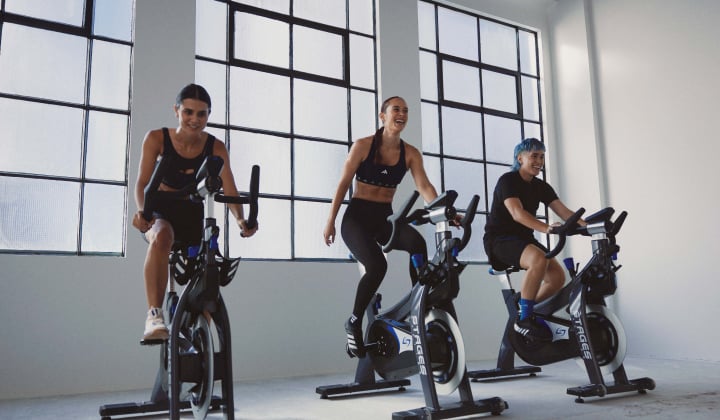
Indoor cycling has become a go-to fitness option for people seeking a dynamic yet controlled workout. spinning classes are well known for improving cardiovascular health, burning calories, and building muscular endurance. However, what makes RPM particularly valuable is its adaptability. Because resistance and pace are self-controlled, it can be modified for different populations, including older adults, pre and postnatal women, and individuals recovering from injury.
In Singapore, where wellness is a growing priority across all age groups, RPM’s inclusivity ensures that more people can enjoy structured fitness safely. True Fitness Singapore provides an environment where instructors are trained to guide participants of varying abilities, creating a supportive setting for both high performers and those needing careful adjustments.
Why RPM Is Suitable for Diverse Groups
Unlike some fitness classes that demand uniform performance, RPM allows participants to set their own intensity. Each bike has an adjustable resistance dial, which means riders can scale effort according to their capabilities. This makes the workout accessible without losing effectiveness.
Key advantages for special populations include:
-
Low-impact design: Cycling reduces stress on joints compared to running or high-impact aerobics.
-
Customisable intensity: Participants control resistance and cadence, tailoring sessions to comfort levels.
-
Predictable environment: Indoor cycling eliminates risks from weather, traffic, or uneven terrain.
-
Instructor guidance: Professional coaching ensures safety and encourages modifications when needed.
RPM for Older Adults
As people age, maintaining mobility, cardiovascular health, and muscular endurance becomes crucial. RPM provides these benefits while being joint-friendly.
Benefits for seniors:
-
Improves heart and lung efficiency.
-
Enhances lower-body strength, supporting balance and independence.
-
Boosts mood and reduces risk of depression through group interaction.
-
Provides a safe environment compared to outdoor cycling.
Safety considerations:
-
Ensure proper bike setup to avoid knee or hip strain.
-
Start with moderate resistance and gradually increase as fitness improves.
-
Prioritise longer warm-ups and cooldowns to protect joints and circulation.
With supervision, seniors can enjoy RPM as a sustainable way to stay active well into later years.
RPM for Pre and Postnatal Women
Exercise during and after pregnancy offers many benefits, from improved circulation to reduced stress. However, safety and modifications are essential.
Prenatal considerations:
-
Consult a healthcare provider before starting or continuing RPM.
-
Use lighter resistance to avoid excessive strain.
-
Avoid overheating by staying hydrated and training in well-ventilated rooms.
-
Focus on maintaining fitness rather than pushing intensity.
Postnatal considerations:
-
Begin only after receiving medical clearance, typically six to eight weeks post-delivery.
-
Start with low resistance to rebuild stamina gradually.
-
Pay attention to posture, as core stability may need time to recover.
-
Incorporate RPM as part of a wider routine including pelvic floor exercises.
For mothers, RPM provides an efficient way to regain strength while managing time constraints.
RPM for Rehabilitation and Injury Recovery
Many individuals recovering from injury use indoor cycling as a form of rehabilitation. Its controlled movements reduce impact, making it ideal for rebuilding fitness without overloading healing tissues.
Benefits for rehabilitation:
-
Promotes circulation, supporting recovery.
-
Builds strength in legs without excessive joint impact.
-
Allows incremental progression in resistance and duration.
-
Supports mental wellbeing during recovery, as structured activity reduces frustration.
Precautions:
-
Always follow medical advice before resuming training.
-
Focus on smooth, controlled pedalling rather than speed.
-
Avoid sudden resistance increases.
-
Pair RPM with physiotherapy exercises to restore mobility and balance.
When supervised, RPM can be a bridge between rehabilitation and full return to regular fitness.
Instructor’s Role in Supporting Special Populations
Instructors play a vital role in ensuring safe participation. They provide:
-
Guidance on bike setup for comfort and injury prevention.
-
Alternatives for movements that may be unsuitable.
-
Encouragement to scale intensity according to ability.
-
Monitoring during class to spot signs of overexertion.
At facilities like True Fitness Singapore, trained instructors ensure that inclusivity does not compromise safety.
Practical Tips for Special Populations
-
Always inform instructors of medical conditions or limitations.
-
Arrive early to set up the bike correctly.
-
Hydrate consistently before, during, and after class.
-
Wear appropriate footwear and padded shorts for comfort.
-
Listen to your body; discomfort is a signal to reduce intensity.
By approaching classes with preparation, participants in special categories can enjoy the benefits without unnecessary risks.
Why Inclusivity in Fitness Matters in Singapore
Singapore’s population is ageing, and more individuals are seeking fitness solutions that extend beyond the young and athletic. By adapting workouts like RPM for seniors, mothers, and those in recovery, gyms support broader community wellbeing. Inclusivity also strengthens the sense of community in classes, creating an atmosphere where everyone feels welcome regardless of fitness level.
FAQ Section
Q. Can seniors participate in RPM if they have arthritis?
A. Yes, provided they have medical clearance. Cycling is low-impact and often easier on joints than weight-bearing exercise. Proper bike setup and moderate resistance make it safe and effective.
Q. Is RPM safe during pregnancy?
A. It can be, with medical approval. The key is to maintain moderate intensity, avoid overheating, and focus on maintaining fitness rather than pushing limits. Always inform the instructor beforehand.
Q. Can RPM help speed up recovery after knee surgery?
A. Yes, but only under medical advice. Low-resistance cycling is often recommended during rehabilitation as it strengthens muscles without placing high impact on the joint.
Q. Are there risks for postnatal women returning too soon to RPM?
A. Yes. Returning too early may strain the pelvic floor and core muscles. It is important to wait for clearance from a doctor and start gradually.
Q. How do instructors manage classes with participants of such varied abilities?
A. By offering modifications, encouraging self-paced resistance, and checking bike setups, instructors ensure safety and inclusivity while maintaining group energy.
